
What Every Gun Owner Should Know About Legal Compliance
Owning a firearm carries a level of responsibility that goes far beyond possession. It involves understanding rules, respecting boundaries, and staying informed about the laws that govern safe and lawful use. Many people focus mainly on purchasing and handling a gun, but overlook the legal side that holds everything together. This oversight can lead to serious consequences, even when there is no harmful intent. Laws surrounding firearms differ depending on location, and they are designed to promote safety for both owners and the wider community. For anyone who owns or plans to own a firearm, understanding legal expectations is just as important as learning how to use it. This article breaks down the key areas every gun owner should know to remain compliant and responsible.
Understanding Local and National Firearm Laws
One of the first and most important steps in legal compliance is understanding the laws that apply in your area. Firearm regulations can vary widely depending on the country, state, or even local jurisdiction. These laws may cover who can own a firearm, where it can be carried, and how it must be stored. Some areas have stricter requirements than others, including restrictions on certain firearm types. Staying informed helps prevent accidental violations that could lead to penalties or loss of ownership rights. Regularly reviewing updates in legislation is also important, as firearm laws can change over time.
Proper Licensing and Registration Requirements
In many regions, owning a firearm requires proper licensing and registration. This process is designed to confirm eligibility and maintain records for accountability. Gun owners must often complete background checks, safety training, and submit official documentation before being granted permission to own or carry a firearm. Failing to complete these steps correctly can result in legal consequences. Keeping licenses up to date is equally important. Expired permits or unregistered firearms can lead to serious violations even if the gun is not actively being used.
Safe Storage and Transport Regulations
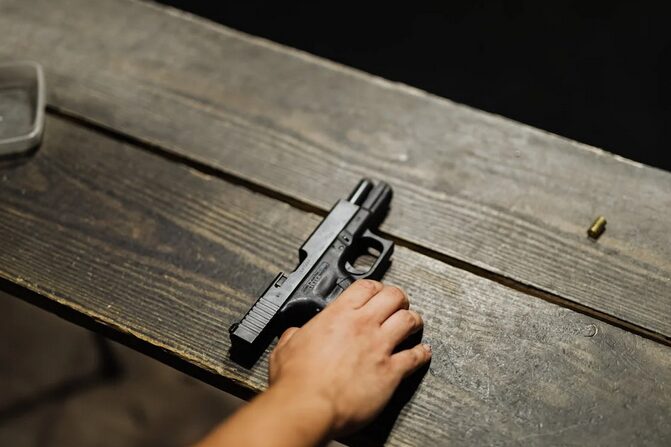
Legal compliance also extends to how firearms are stored and transported. Many laws require firearms to be stored securely, often in locked safes or containers, especially in homes with children or unauthorized individuals. Transport rules may also specify that firearms must be unloaded and stored separately from ammunition. These requirements are designed to prevent accidents and unauthorized access. Ignoring storage and transport laws is one of the most common compliance mistakes among gun owners. Following these rules reduces risk and keeps ownership within legal boundaries.
Understanding Where Firearms Are Allowed
Gun owners must also be aware of where firearms are legally permitted. Certain locations such as schools, government buildings, and private properties may have strict restrictions or complete bans. Carrying a firearm into a restricted area, even unintentionally, can lead to legal trouble. Signs and posted regulations should always be taken seriously. It is important to check local rules before entering unfamiliar places. Awareness of restricted zones helps prevent unintentional violations and promotes responsible ownership.
Training, Responsibility, and Legal Accountability
Legal compliance is closely tied to responsible behavior and proper training. Many regions require or recommend firearm safety courses that teach handling, storage, and legal obligations. Training helps gun owners understand not just how to use a firearm safely, but also how to act within the law. It reinforces responsible decision-making in real-life situations. Gun owners are legally accountable for their actions at all times. This includes how a firearm is used, stored, and carried. Responsible habits reduce risks and support long-term compliance.
Legal compliance is a fundamental part of responsible firearm ownership. Understanding local laws, maintaining proper licensing, following storage and transport rules, respecting restricted areas, and committing to ongoing training all play a vital role in staying within legal boundaries. By taking these responsibilities seriously, gun owners protect themselves, their communities, and the integrity of firearm ownership as a whole.…